Introduction
As summer season tactics, the sweltering warmness can turn your completely satisfied abode into an uncomfortable sauna. Air conditioning methods changed into needed, however the query arises: can you put in your possess air conditioner? With a turning out to be trend toward DIY initiatives, many home owners are all in favour of taking topics into their own fingers. This article delves into the bits and bobs of DIY AC installation, exploring no matter if it’s actual plausible for the usual home owner or superior left to the pros.
Understanding the Basics of Air Conditioning Systems
What is an Air Conditioner?
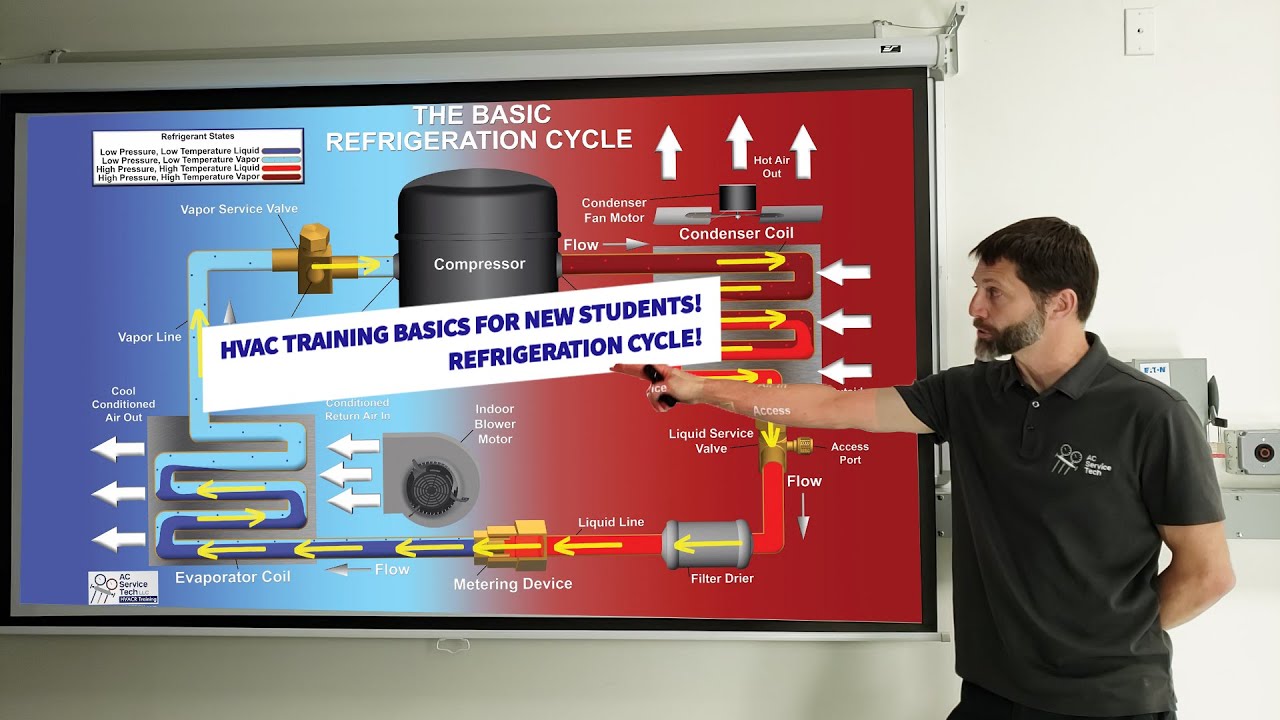
An air conditioner (AC) is a formulation designed to alter indoor temperatures through doing away with heat from a selected side and expelling it outdoors. It operates at the standards of thermodynamics, concerning refrigerants that absorb and unlock warm.
Types of Air Conditioners
When contemplating a DIY AC set up, it is vital to know the exclusive sorts of air conditioners achievable:
- Window Units: Compact contraptions optimum for unmarried rooms. Affordable yet will also be much less efficient for bigger areas. Portable ACs: Versatile and hassle-free to transport yet may possibly require venting using a window. Split Systems: Comprising two instruments (indoor and outdoors), supplying powerfuble cooling for comprehensive houses but problematic to install. Central Air Conditioning: Best for immense buildings, using ducts to distribute cool air all through.
Choosing the Right Air Conditioner
What Size of AC Unit Do I Need?
Determining an appropriate length is significant. An undersized unit will wrestle to chill your area, although an oversized unit will cycle on and stale too customarily, major to inefficiency. The usual rule of thumb is:

- Calculate your room's rectangular footage. Use BTU (British Thermal Units) scores as a support. Typically, you need approximately 20 BTUs in line with square foot.
| Room Size (sq ft) | Recommended BTUs | |-------------------|------------------| | one hundred - 300 | five,000 - 7,000 | | three hundred - 600 | 7,000 - 14,000 | | 600 - 1,000 | 14,000 - 25,000 |
How Do I Know What Type of Air Conditioner to Buy?
Choosing an AC includes evaluating numerous causes:
Room Size: Larger rooms require more amazing instruments. Energy Efficiency: Look for gadgets with top SEER (Seasonal Energy Efficiency Ratio) scores. Installation Feasibility: Some sorts are less difficult for DIY installing than others. Cost: Factor in either preliminary purchase worth and lengthy-time period operational charges.DIY AC Installation: Can You Really Do It Yourself?
The resolution isn’t hassle-free; it depends widely to your knowledge and enjoy. While many home owners efficiently full their very own installations, there are complexities fascinated that can bring about mistakes if one isn’t cautious.
Pros of DIY Installation
Cost Savings: Avoid hard work fees by means of handling installing yourself. Flexibility: Choose your schedule devoid of awaiting seasoned availability. Learning Experience: Gain critical abilties and abilities about HVAC programs.Cons of DIY Installation
Potential Errors: Mistakes can lead to inefficient operation or perhaps wreck to the unit. Safety Risks: Working with electric components poses safety risks if now not taken care of efficiently. Warranty Issues: Many producers void warranties if installations aren’t completed by way of licensed execs.Preparing for Your DIY AC Installation
Gather Necessary Tools and Equipment
Before diving into deploy, be sure you've got you have got every part you want:
- Screwdrivers Wrenches Level Tape measure Drill Safety goggles and gloves
Read the Instruction Manual Thoroughly
Each aircon unit comes with particular lessons that would have to be accompanied heavily for correct setting up and most suitable overall performance.
Step-with the aid of-Step Guide to Installing Your Own AC Unit
Step 1: Choosing an Installation Location
Select a location that allows for ok airflow each indoors and outside at the same time as being truthfully handy for renovation.
Step 2: Mounting the Indoor Unit
If you might be installing a cut up components:
Use a stage to mark wherein the indoor unit will hang on the wall. Drill holes as detailed within the handbook for mounting brackets.Step 3: Installing the Outdoor Unit
Place the out of doors condenser on a reliable surface like concrete pads or brackets—ensuring excellent drainage far from your own home.
Step four: Connecting Electrical Lines
Follow safeguard protocols while connecting electricity strains:
Turn off electrical energy at the breaker field until now commencing paintings. Connect wires in keeping with company standards; incorrect wiring can purpose fires or apparatus failure.Step 5: Sealing Refrigerant Lines
Ensure all connections are tight and appropriate insulated with foam tape or same materials to prevent electricity loss.
Testing Your Newly Installed AC System
Once the whole lot is attached:
Turn on pressure on the breaker field. Switch for your unit as a result of far off management or wall thermostat. Monitor functionality—inspect airflow temperature after working for a few minutes; it deserve to be quite cooler than room temperature.FAQ Section
Q1: Can I Install My Own AC Unit?
Yes! Many householders successfully total their very own installations; however, it requires cautious making plans and adherence to protection protocols.
Q2: How Much Does Professional AC Installation Cost?
Professional quotes vary broadly based mostly on area however in many instances diversity from $500-$2000 depending on complexity and kind of unit installed.
Q3: Where Can I Buy Air Conditioner Online?
Several reputable retailers sell air conditioners on-line—glance out for visitor experiences whilst shopping from web sites like Amazon or specialised HVAC shops like acprices.ca.
Q4: Are There Any Local Regulations Regarding AC Installation?
Yes! Check local construction codes which might also dictate actual requisites relating to HVAC installations—failure to comply may perhaps bring about fines or needed removing of non-compliant items.
Q5: What Maintenance Is Required After Installation?
Regular renovation involves converting filters every few months, cleansing coils yearly, checking refrigerant stages, and making certain drainage procedures work properly.
Q6: How Do I Find The Best AC Companies in Canada?
You can seek on line directories like acprices.ca which give ratings primarily based on purchaser opinions and carrier fine—guaranteeing you make a selection reliable providers when wanted!
Conclusion
In end, although assignment a DIY AC installation may seem to be daunting firstly look, with enough instruction and talents it’s fullyyt you will! From realizing what measurement unit fits your demands absolute best using https://privatebin.net/?c1af1ecdf0f94f77#9ae8Gx5xbHoaDin9TM5AJQMSkAQs2FtD3gBBsieuNP9k learning how each and every aspect works in combination—the adventure can even just empower you in addition as a home owner! Remember necessarily prioritize protection peculiarly else all the way through installation processes; if doubtful don’t hesitate accomplishing out authorities indexed at leading AC firm directory Canada acprices.ca!
With summer time excellent round nook don’t let pain get you down—equip yourself right now via investing time getting to know items conceivable in the past making selections no matter if rent professionals experienced tradespeople or take plunge into fun world do-it-yourself projects!
This article gives entire insights into DIY air conditioning installing while keeping up professionalism across its content—encouraging readers discover choices with a bit of luck!